
Behind the Lens: Shooting a Cinematic Volvo Short Film in the Scottish Highlands
There's a particular kind of tired that only comes from a Highlands shoot. It's the kind where you've been up since before the sun to catch the first light on a single track road, and you're still out three hours after it's gone, lighting a scene with nothing but a set of headlights and a full moon. That's the story behind this project: a cinematic automotive short film shot on location in Scotland with my friend Benjamin Marshall, built entirely around the idea that "not all roads are on the map."
This post is a full breakdown of how the film came together: the camera angles, the gear, the weather that fought us the whole way, and the DaVinci Resolve workflow that took raw Highland footage and turned it into something that actually feels like the place.
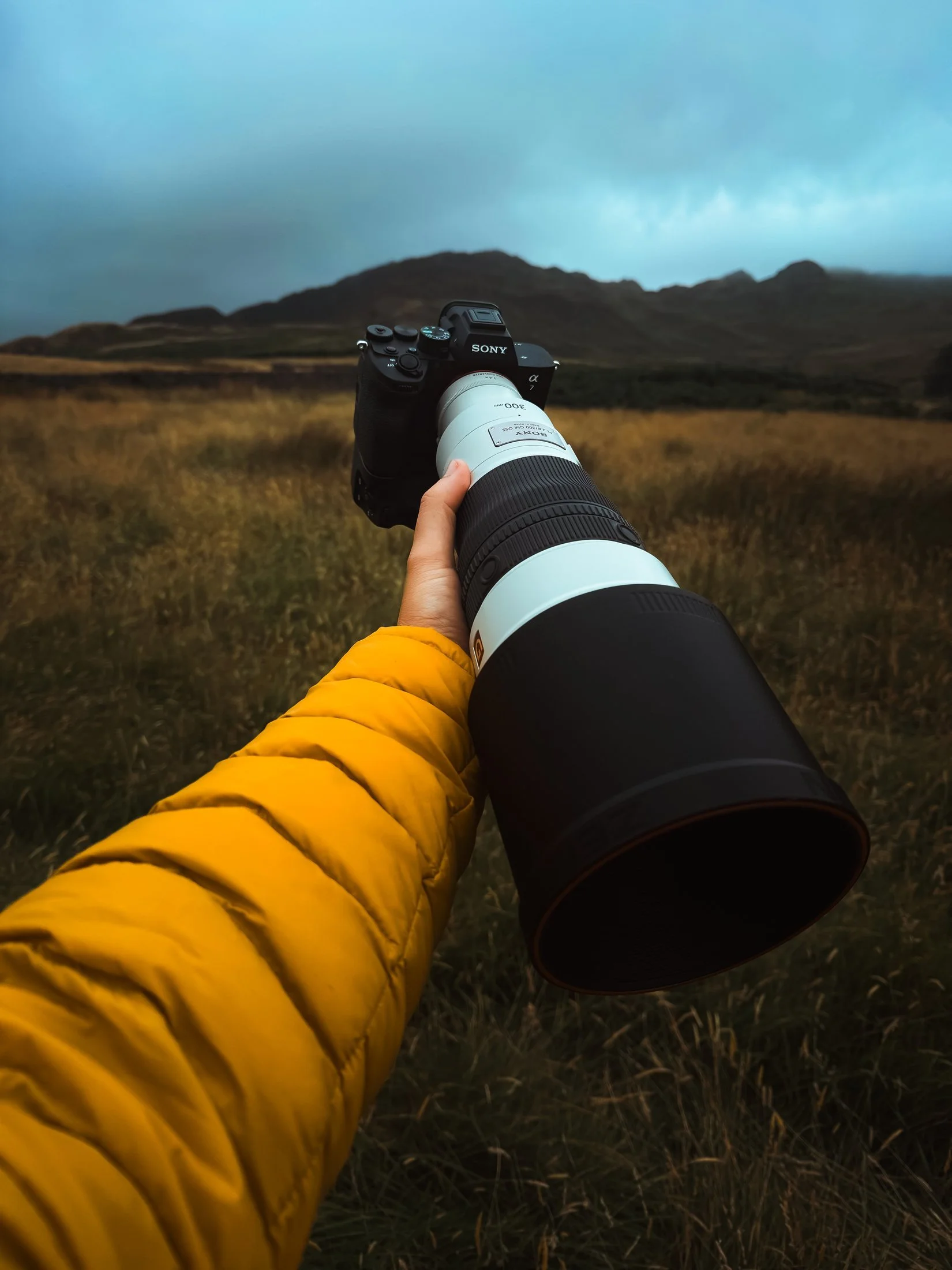
Sony A7V - 300mm 2.8 GM
The Concept
The film opens on three simple title cards: "Not all roads are on the map," "Some are left undiscovered," "Some are meant to be discovered." Then it cuts straight into the Highlands themselves: empty single track roads, heather covered moorland turning gold in the low sun, and a Volvo that spends the whole film looking like it belongs nowhere and everywhere at once. It's less a traditional "car ad" structure and more a mood piece, built from long, patient shots, minimal dialogue, and a soundtrack of engine notes, wind, and silence doing most of the storytelling.
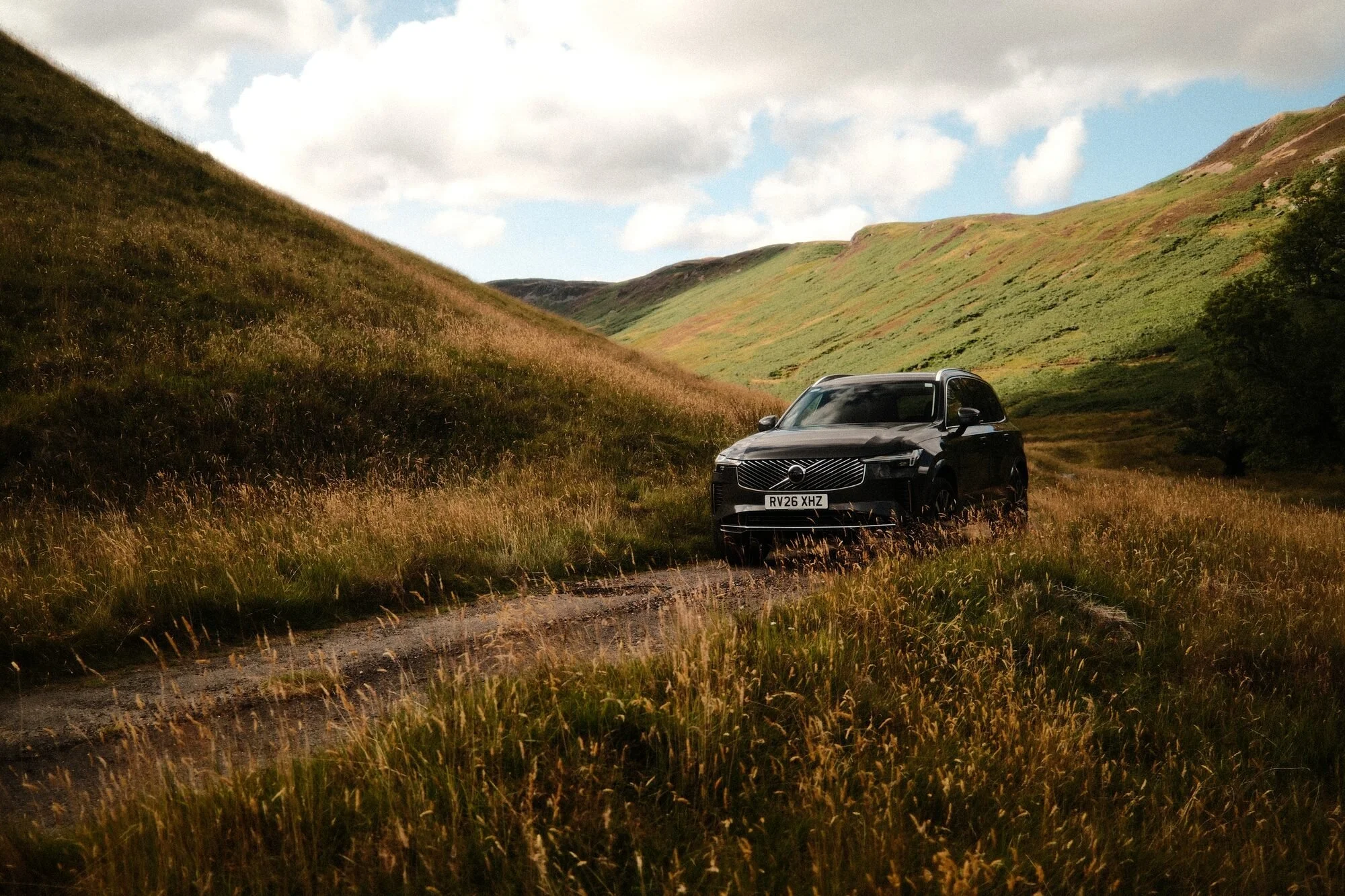
Volvo XC90
The Locations
We built the route around classic Highland terrain: heather moorland in full purple bloom, a lochside stretch with an old stone bothy in the background, a wide glen for the establishing shots, and a rough dirt track for the dust trail driving sequences. Every location was chosen for what the light would do to it. The moorland was for golden hour, the loch was for the stillness of the water, and the dirt track was for texture and motion.
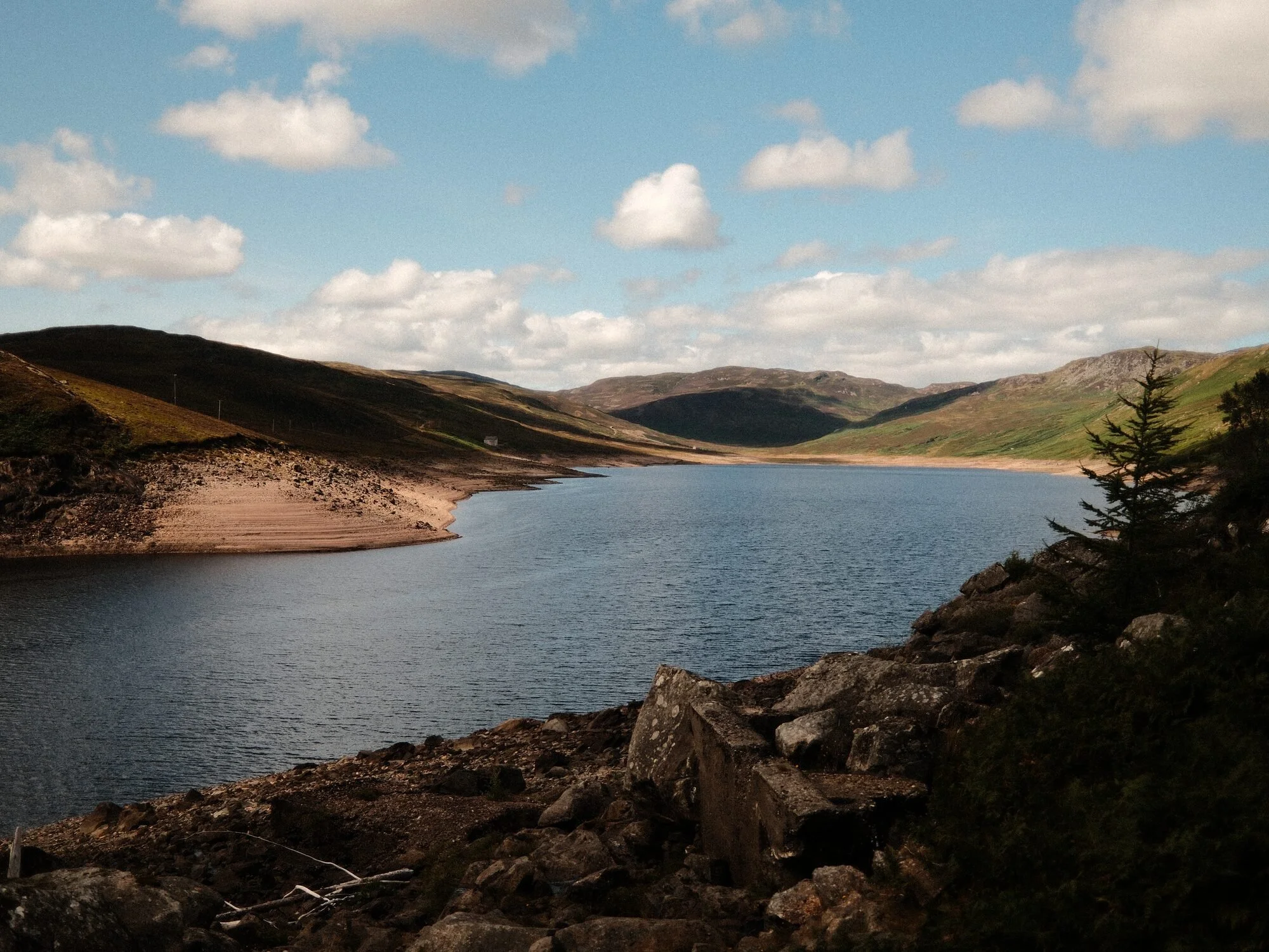
Scottish Highlands
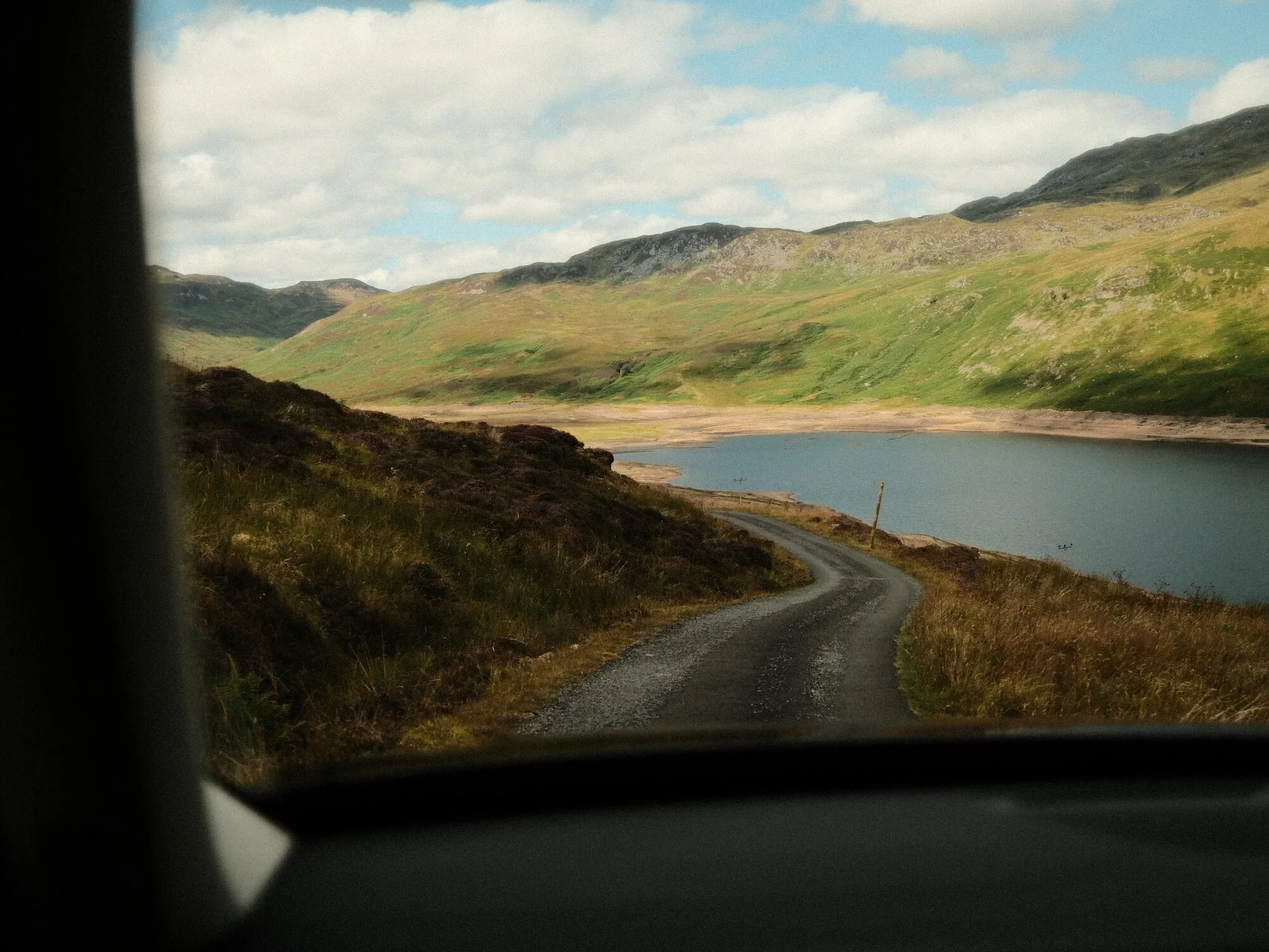
View from inside the cab
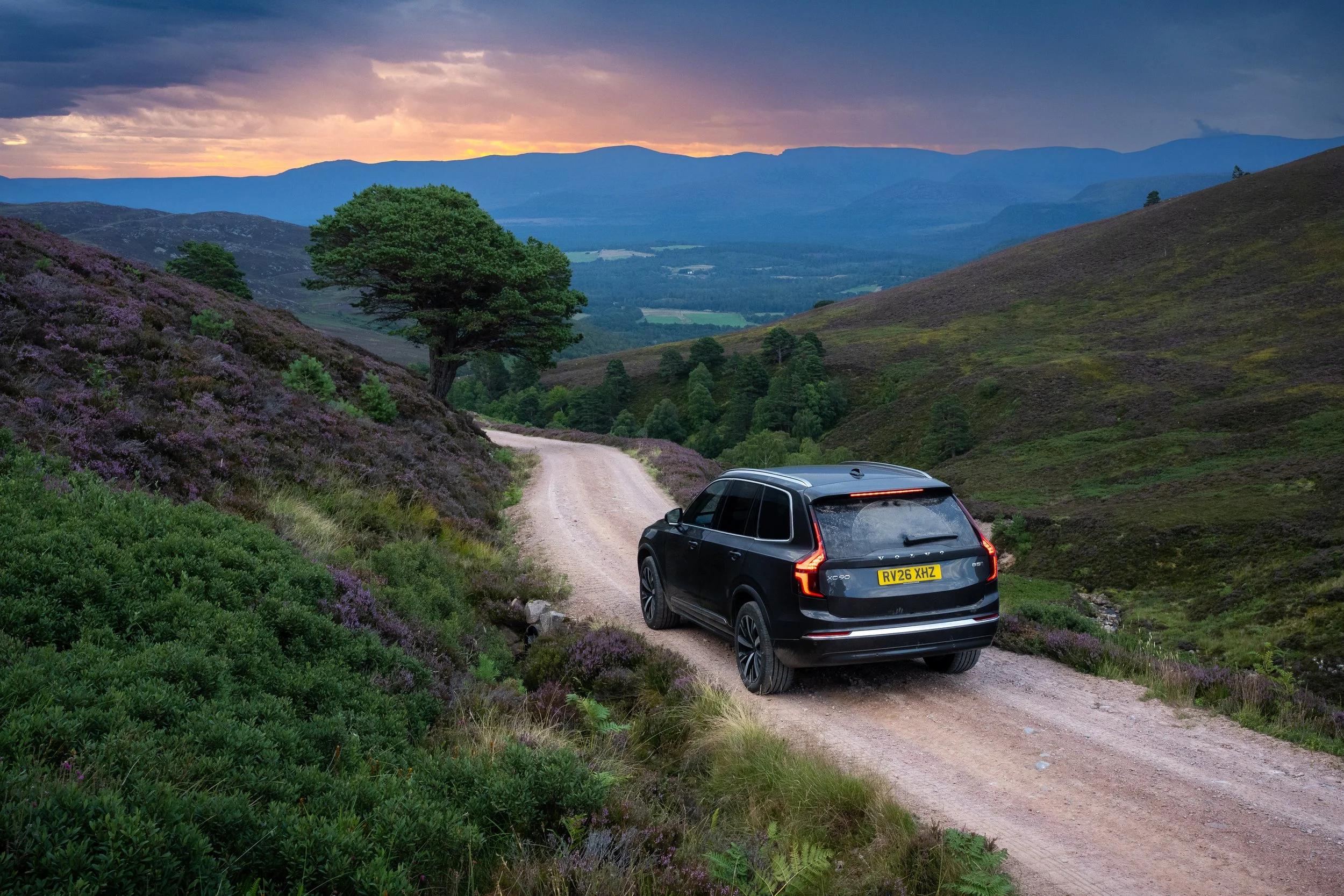
Incredible sunrises
Camera Angles and Shot Types
This is where the film earns its "cinematic" label. Every shot type was chosen deliberately:
Low angle hero shots. The Volvo framed against the sun, camera close to the ground, letting the vehicle dominate the frame while the sun flares across the bodywork.
Bonnet mounted POV shots. A camera rigged low over the front of the vehicle, tracking the road surface rushing underneath as it winds through the heather. This is the shot that puts the viewer in the drive rather than watching it from outside.
Wide establishing shots. The car reduced to a small element in a huge glen, used to sell scale and isolation.
Night driving shots. Headlights as the only light source against a near black hillside, deliberately underexposed to keep the mood tense and cinematic rather than "lit."
Dust trail tracking shots. The Volvo moving away from camera on a dirt track, kicking up dust through the heather, shot with a slower shutter to give the dust trail motion blur and weight.
Silhouette shots. A figure on a ridge, arms raised, shot against fog and moonlight for the film's emotional high point.
Behind the scenes coverage. Handheld, run and gun footage of the crew: shooting on a tripod mounted camera, pouring coffee before dawn, laughing on the radio, wrapping at the vehicle at the end of the day. This is what gives the final edit its documentary backbone and makes the "making of" post (this one) possible.
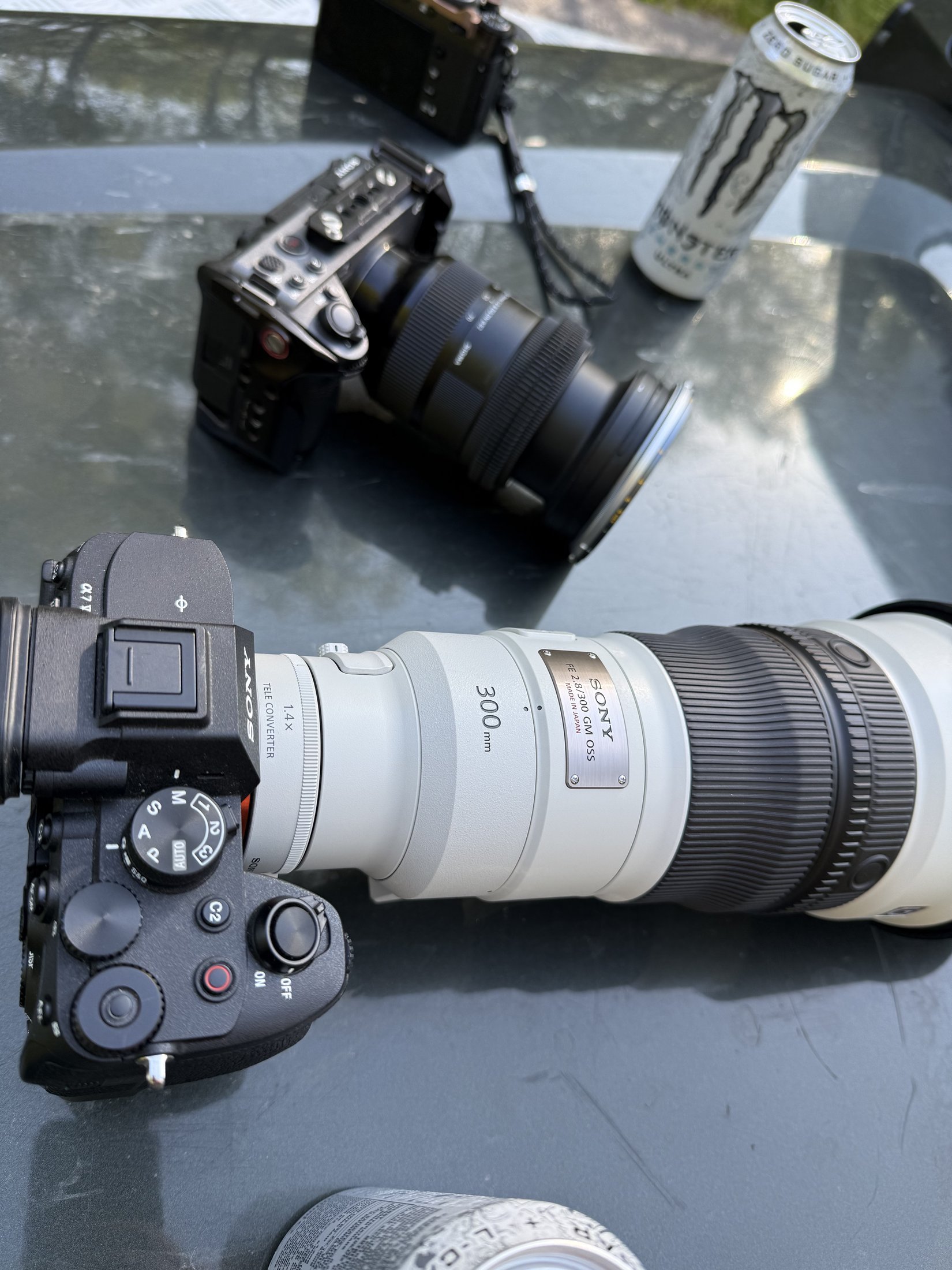
Gear ;)
The Gear
Camera bodies: Sony FX3 and Sony A1 II. Running two bodies between two shooters meant we could cover the hero shot and a second angle or BTS coverage on the same pass, rather than resetting for every angle while the light was moving.
Lenses: Sony 16 to 35mm GM II, Sony 24 to 70mm GM II, Sony 70 to 200mm GM II, and the Sony 300mm GM f/2.8. That range covered everything from the wide bonnet POV and landscape shots up to heavily compressed, long lens hero shots of the Volvo against the hills.
Filters: NiSi Jetmag VND filters. The magnetic swap made it possible to change ND strength quickly between setups as the light shifted, without losing time unscrewing traditional threaded filters. If you want to try the system yourself, use my code (Kapur-discount) at checkout for a saving.
Support: everything was shot handheld, no drone and no gimbal. A tripod came out only for the static hero shots and the locked off BTS camera setups.
Audio and comms: two way radios for coordinating between vehicle and camera positions across long distances on open moorland
The Weather (and Everything Else That Fought Us)
The Highlands don't make anything easy, and this shoot was no exception. Four things genuinely worked against us:
Fog and low visibility. Highland weather can close in on a ridge in minutes, and more than once we lost the shot we were setting up for entirely, though the fog that nearly cost us the ridge sequence ended up being exactly what made the silhouette shot work.
Fast changing light. Golden hour in Scotland doesn't linger. Cloud cover moves fast off the Atlantic, and a shot that was glowing gold could be flat and grey five minutes later. We had to shoot fast and decisively, often getting one real take of a setup before the light shifted.
Rough, off road terrain. Getting the vehicle and the crew to some of these locations meant single track roads, unmarked dirt tracks, and terrain that wasn't built for a full camera kit. Every setup involved carrying gear further than you'd like.
Cold and a short daylight window. Even in summer, Highland mornings are cold enough to fog a lens, and the usable light window is short once you factor in travel time between locations. Planning the day around sunrise and sunset, and accepting we'd be shooting well into blue hour and full dark for the night sequences, wasn't optional.
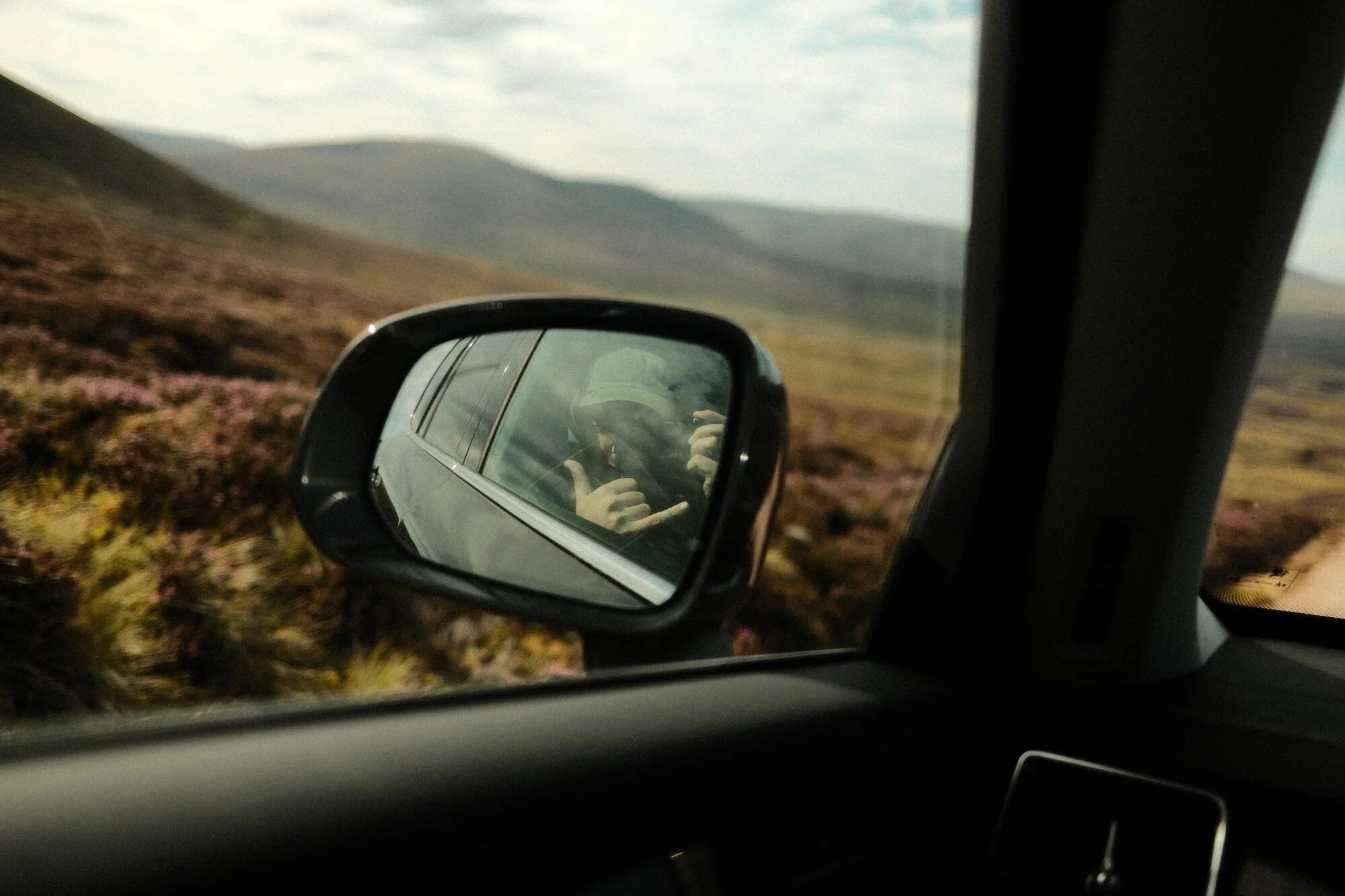
Yo!
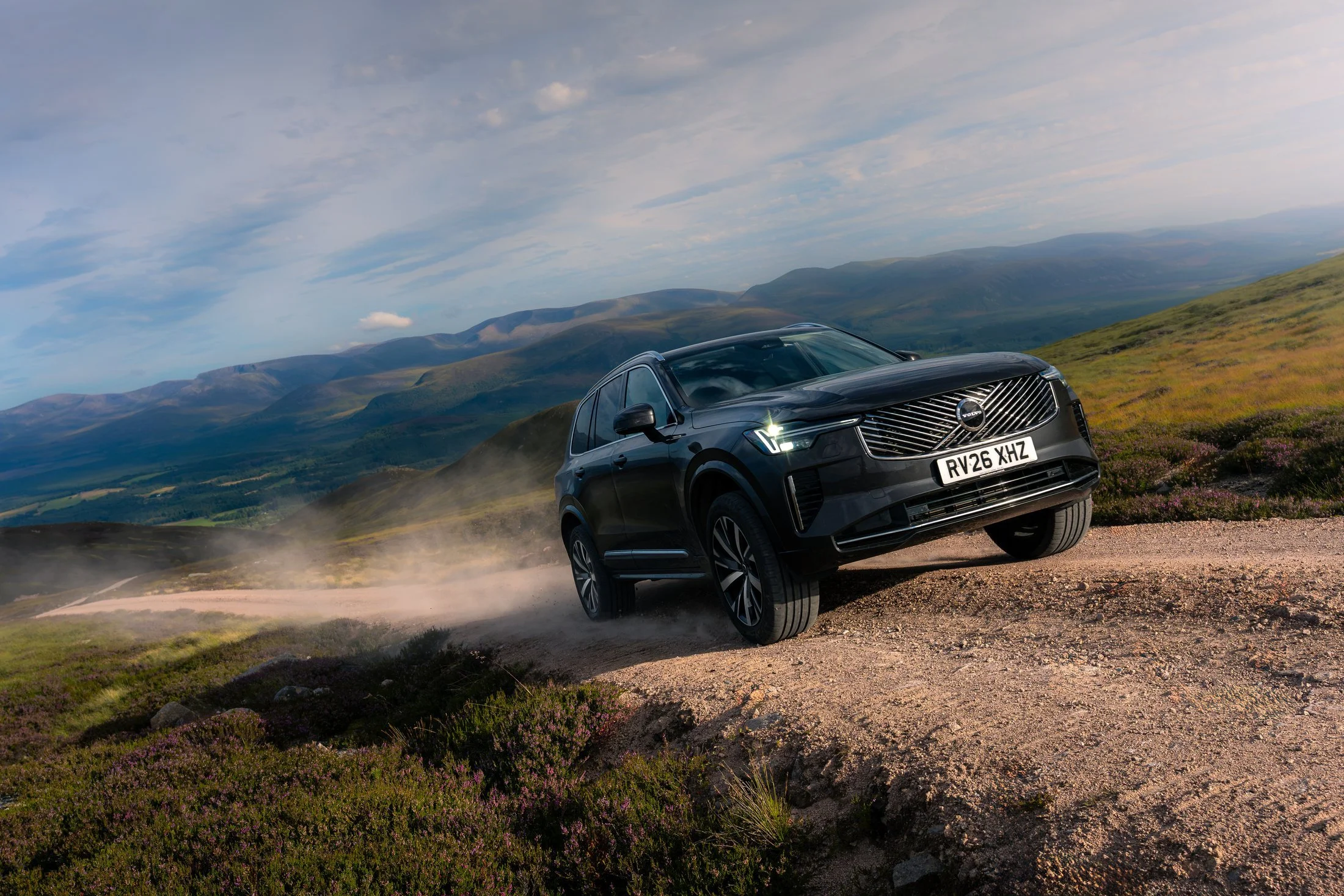
Mobbing up the track in the XC90
Editing in DaVinci Resolve
The edit leans into a clear day to night arc, and the grade does a lot of the storytelling:
Daytime and golden hour sections are graded warm, pushed toward amber and gold in the highlights, with the greens of the heather and moorland kept naturally rich rather than desaturated, to sell the "endless summer evening" feeling.
Night and blue hour sections shift to a cooler, teal leaning palette, with contrast pushed up and shadows crushed slightly to keep the headlight only shots moody rather than muddy.
Node structure: a pre built node structure starting with a Rec709 conversion, then built out through exposure, white balance, contrast, and HSV adjustments, with parallel nodes handling extras like vignette and glow.
In terms of pacing, the cut favours long, held shots over the moorland and driving sequences, punctuated by shorter, faster cuts through the behind the scenes footage. It's a deliberate contrast that keeps the hero footage feeling cinematic while the BTS footage feels alive and immediate. Text cards are held just long enough to read once, cut on black, and timed to the score rather than the visuals.Working With a Friend
Having Benjamin Marshall on another camera and driving, changed how we could shoot this. With two of us covering the same setup from different angles, one on the hero shot, one catching reactions, BTS, or a second angle on the same pass, we could cover a scene in a single take rather than resetting the car and the light for every angle, which mattered enormously given how fast the light was moving. It also meant one of us could always be behind the wheel or in front of camera while the other kept shooting, which is how we got shots like the crew celebrating on the ridge without losing camera coverage.
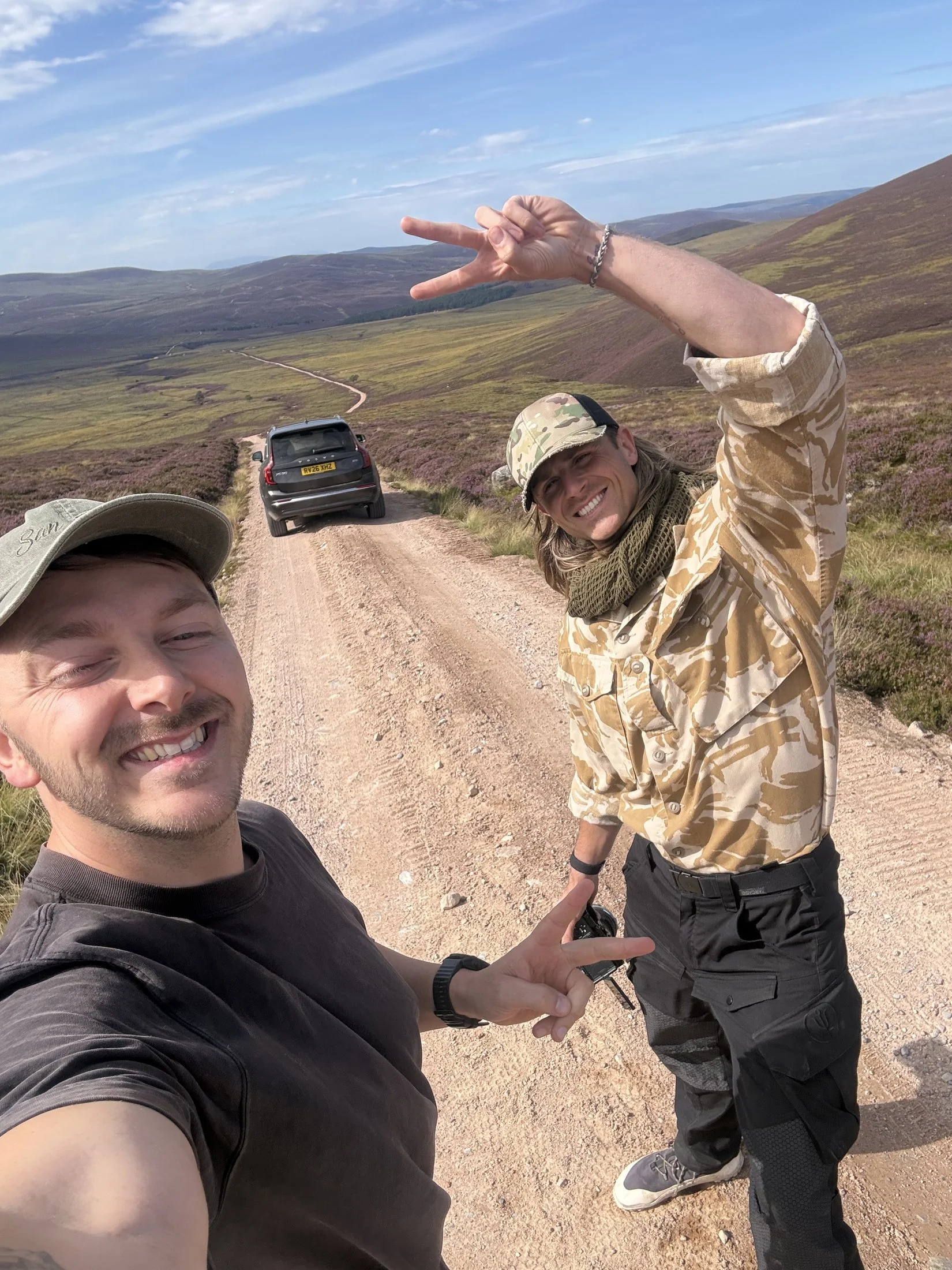
Benception
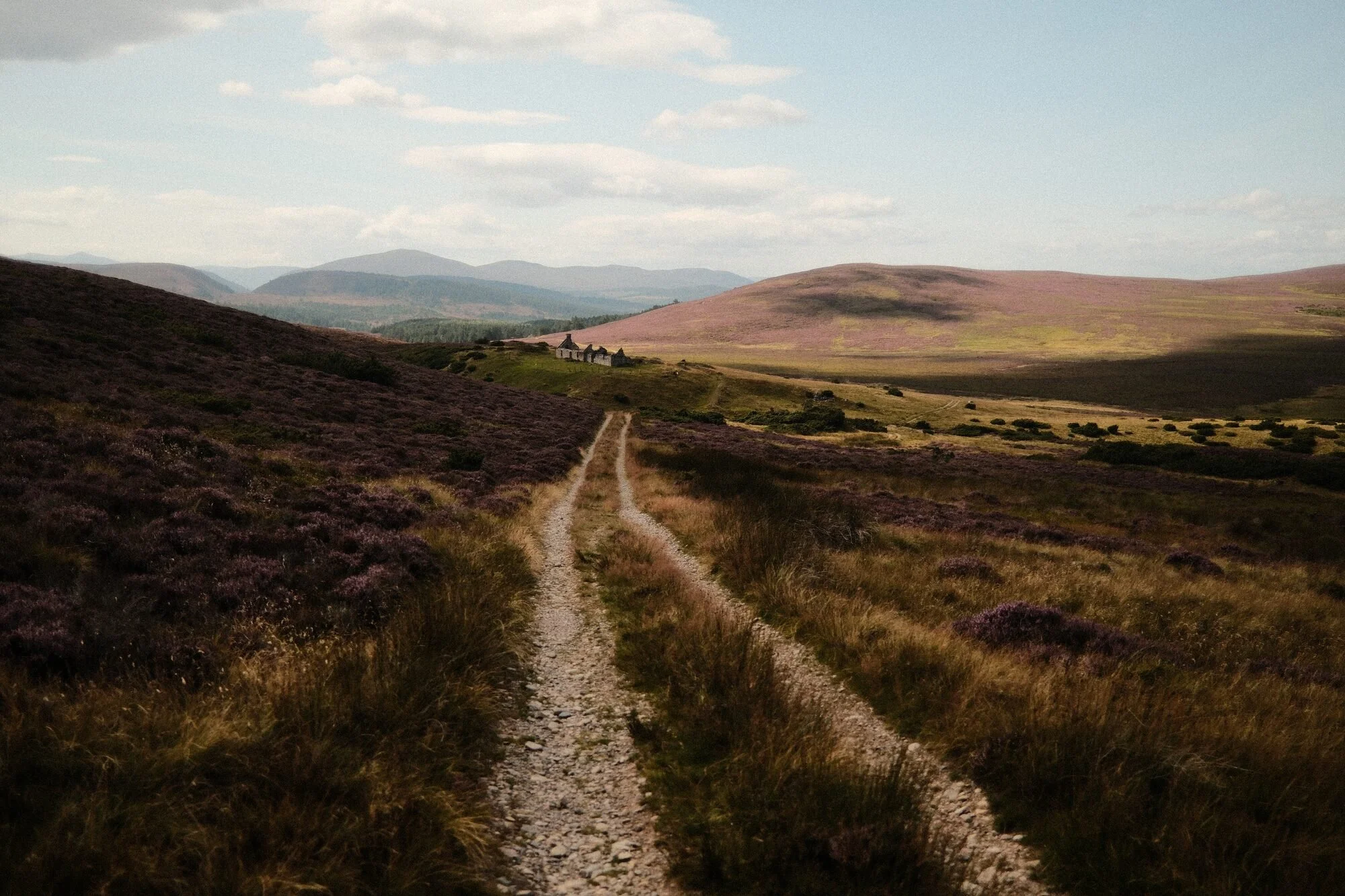
Views from inside the XC90
Final Thoughts
Shoots like this one are as much about the six hours of driving, waiting for light, and losing shots to fog as they are about the sixty seconds of finished film. But that's also what makes the behind the scenes footage worth cutting into its own story. This is the part people don't usually see.
If you're planning your own Highlands shoot, my biggest piece of advice: build in far more time than you think you need for travel between locations, and never assume the light will wait for you.
Watch the full film and see more of our work:
Website: www.benkapur.com
Ben Kapur on Instagram: https://www.instagram.com/benkapurphoto/
Benjamin Marshall on Instagram: https://www.instagram.com/benjamin.j.marshall/
