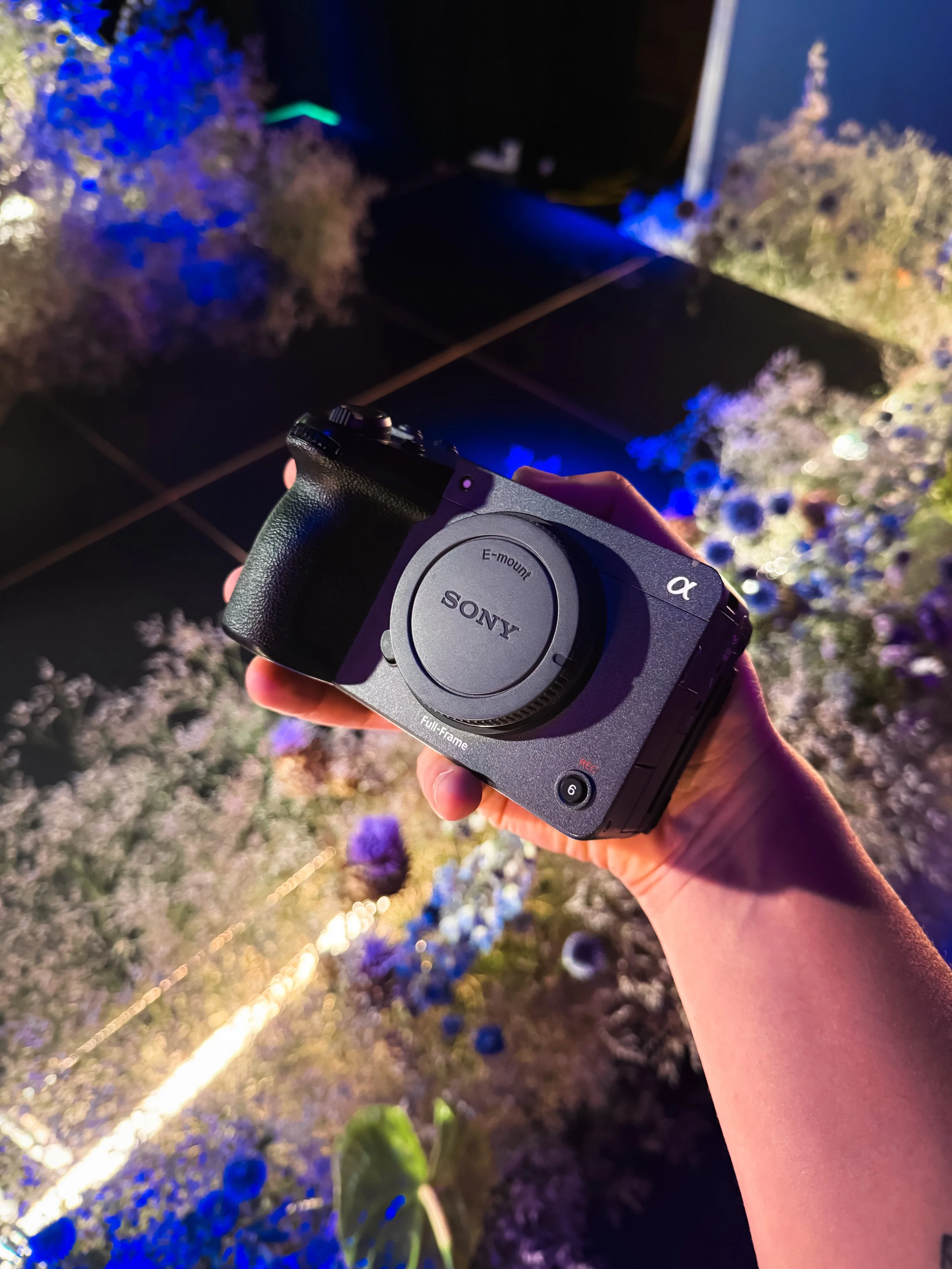
Why the Sony FX5 is going to be the BEST camera of the decade
Why I Believe the FX5 Changes Everything
Sony officially launched the FX5 on 22 July 2026, slotting it into the Cinema Line between the FX3 and the FX6. If you shoot cinema style video for a living, whether you are a working filmmaker, a content creator or a solo run and gun shooter, this camera brings together dynamic range, internal RAW recording and true portability in a way that nothing else at this price has managed before.
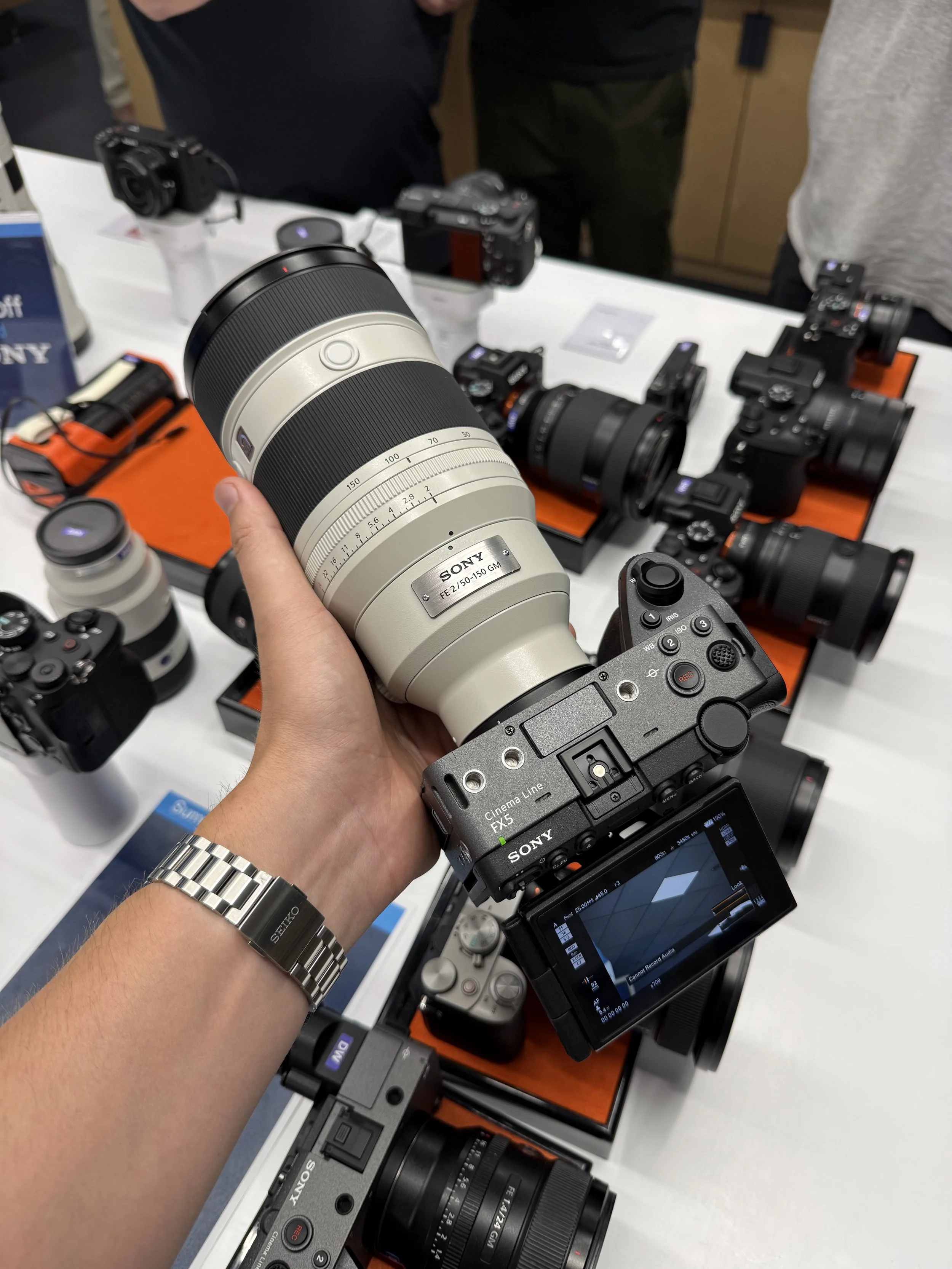
This is not a hands on review. The FX5 does not begin shipping until mid August, so nobody outside Sony’s own testing partners has had real time with a final unit yet. What follows instead is my honest read on why this camera matters so much, built from the confirmed specification, where it sits inside Sony’s own lineup, and the reaction from filmmakers who already had early access. I shoot on the FX3 as my main body, so I am looking at this through the lens of someone who already lives inside this ecosystem and knows exactly what has been missing from it.
Cinematographer Claudio Miranda, known for his work on Top Gun Maverick and F1 The Movie, tested the FX5 ahead of launch and came away impressed by how it combines genuine image quality with real mobility inside such a compact body. Gareth Edwards, director of The Creator and Rogue One, shot with the FX5 across Cambodia, Thailand and Nepal and described it as setting a new bar for run and gun filmmaking. When directors and cinematographers working at that level are this enthusiastic about a camera this size, it tells you everything about where Sony has aimed with the FX5.
Sony FX5 Key Specifications At A Glance
• Full frame, fully stacked Exmor RS CMOS sensor, 16.6 megapixels
• BIONZ XR2 processor with a dedicated AI processing unit
• 15+ stops of dynamic range in S Log3
• Three base ISO settings: 800, 4000 and 12800
• Dual Gain Shooting for smoother gradation and lower noise
• Open Gate recording, a first for the FX series
• Internal 16 bit X OCN RAW recording
• 5K at up to 60fps, 4K at up to 120fps, FHD at up to 240fps
• 5 axis internal image stabilisation, roughly double the roll correction of the FX3
• Dual CFexpress Type A and SD card slots
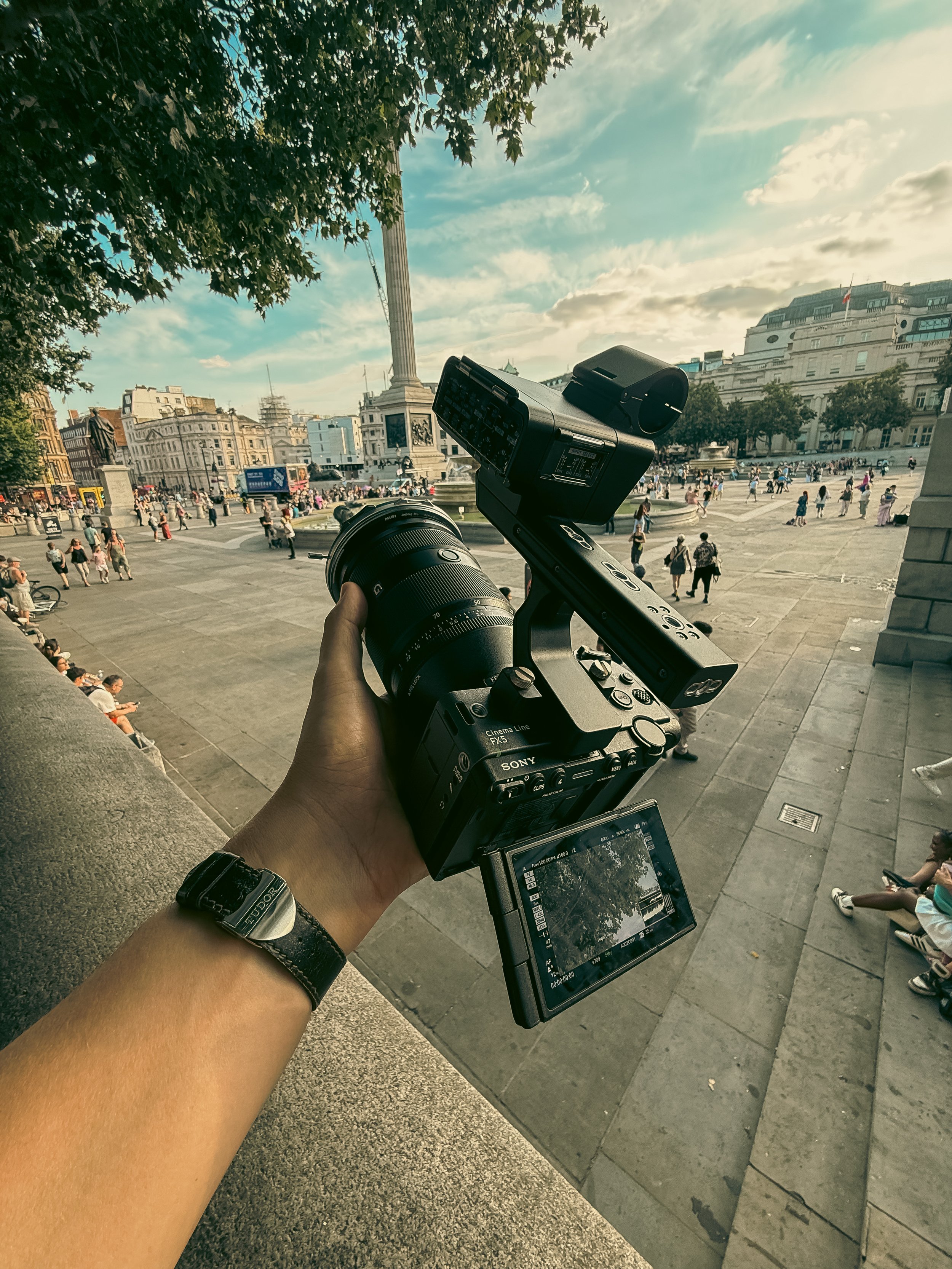
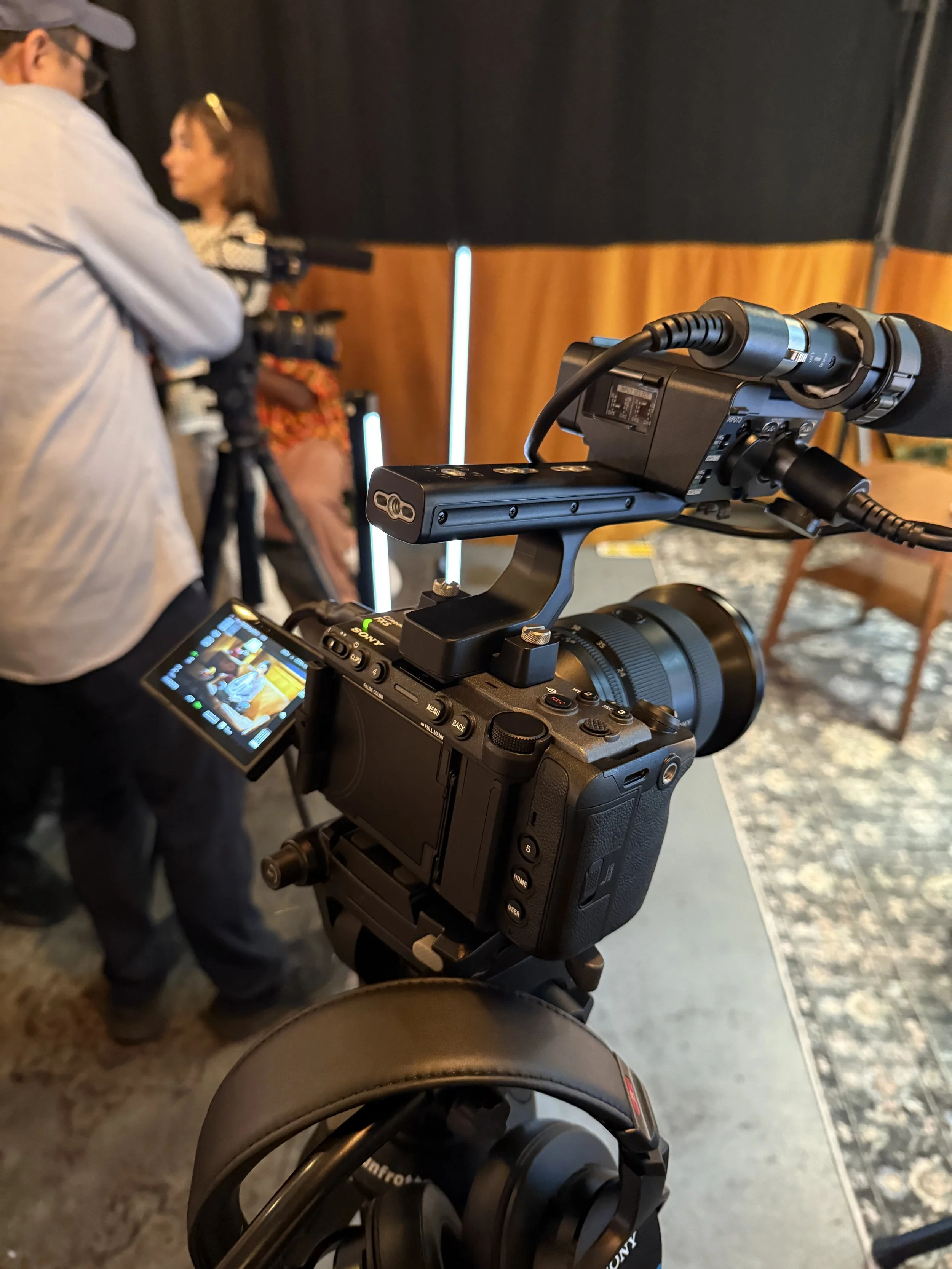
• Optional OLED viewfinder and XLR audio handle available separately
These specs alone put the FX5 in a category that used to belong only to cameras costing four or five times as much.
A New Sensor And Processor Built For This Decade
The FX3 has used the same 10.2 megapixel effective sensor since 2021, the same sensor found inside the A7S III. It is a brilliant sensor, but it is not new technology anymore. The FX5 replaces it entirely with a newly developed 16.6 megapixel full frame stacked Exmor RS sensor, paired with the latest BIONZ XR2 processor and its own dedicated AI processing unit.
That stacked design is the real headline here. Stacking the sensor dramatically increases readout speed, which cuts rolling shutter and unlocks the higher frame rates and internal RAW recording that make the rest of this camera possible. In S Log3, Sony rates the FX5 at over 15 stops of dynamic range, and three base ISO settings of 800, 4000 and 12800 mean you can stay clean in bright daylight or deep shadow without reaching for extra gain. The new Dual Gain Shooting mode pulls even more out of the sensor for smoother gradation and wider latitude while keeping shadow detail intact.
Open Gate And Internal RAW: The Real Game Changer
This is the feature that convinces me the FX5 will define the next ten years of compact cinema cameras. For the first time in the FX series, the FX5 supports full pixel Open Gate shooting across the entire sensor, plus 17:9, 16:9 and Super 35mm scan modes. Open Gate means you capture the maximum sensor area in one master file, then reframe it later for widescreen, vertical or square delivery without ever going back to reshoot.
Alongside that, the FX5 becomes the first camera outside VENICE 2 and BURANO to record X OCN internally, and it does it at 16 bit rather than 12 bit. X OCN is Sony’s scene linear compressed RAW format, and at 16 bit it captures 65,536 tonal gradations per colour channel, a huge jump over standard 10 bit codecs. Two new, more compressed variants called X OCN C1 and C2 join the existing LT tier, cutting file size further without giving up that RAW grading latitude. At 4096 x 2160 24p, Sony’s own figures put X OCN LT at roughly 389 Mbps, close to XAVC I at 384 Mbps, while full ProRes 422 HQ sits far higher at around 754 Mbps. In plain terms, you get RAW quality without RAW sized headaches in the edit.
Bringing a workflow that used to be reserved for £20,000 cameras down into a body costing under £5,000 is exactly the kind of leap that defines a generation of cameras, not just a single model.
Autofocus And Tracking
Sony’s autofocus has been the benchmark in this category for years, and the FX5 pushes it further again. AI based human pose estimation recognises a subject’s eyes, head and body at once, which should hold focus even in difficult, low light scenes. Real Time Tracking keeps following once it has locked on, and Auto Tracing White Balance combines visible light and infrared sensor data with deep learning light source estimation to keep colour accurate and stable in shade, indoors and other tricky lighting.
For anyone shooting solo, without a focus puller on set, this is the difference between a usable take and a wasted one.
Stabilisation And Handling
The FX5 carries 5 axis internal image stabilisation, and Sony says the new stabilisation unit roughly doubles the roll correction range compared with the FX3. Active Mode and a new Dynamic Active Mode both help keep handheld footage steady, which matters enormously for documentary and travel work where a gimbal is not always practical.
Handling has clearly had real thought put into it too. The screen grows to 3.5 inches with roughly 2.76 million dots, larger and sharper than the FX3’s, mounted on a 4 axis arm that tilts around 98 degrees up, 40 degrees down and opens about 180 degrees to the side. The BIG6 home screen carried over from Sony’s CineAlta cameras keeps frame rate, exposure and LUTs all visible at once, and the whole menu system now matches the FX6 and CineAlta line, genuinely useful if you ever work across multiple Sony bodies on the same production.
Sony has also added a proper cooling fan for long recording sessions, screw holes in multiple places so you can rig the camera without a cage, dual CFexpress Type A and SD card slots, two USB C ports for timecode input and USB power delivery, and a wired LAN terminal for remote control on bigger productions. The newly introduced battery holds around 1.3 times the capacity of the FZ100 batteries most FX3 owners already have drawers full of.
Final Thoughts: Why This Is The Camera Of The Decade
The last real leap in this part of Sony’s lineup was the original FX3, which took CineAlta colour science and put it inside a body small enough to genuinely carry everywhere. The FX5 does the same thing again, except this time the leap is Open Gate shooting and 16 bit internal RAW recording, features that used to live exclusively on cameras costing tens of thousands of pounds.
Democratising a workflow like that, and doing it inside a body that still fits in a normal camera bag, is exactly the kind of move that defines an entire generation of filmmaking tools rather than just one product cycle. That is why I believe the FX5 will be remembered as the camera of the decade.
I will be getting my hands on one the moment stock lands, and I will be sharing real footage and a proper hands on breakdown right here as soon as I do.
👉 Keep up with everything I shoot, and if I get FX5 at www.benkapur.com
Optional Accessories
Sony also launched two accessories alongside the FX5 itself. The optional OLED viewfinder is a detachable 0.58 type unit with roughly 7.07 million dots, HDR display, a DCI P3 equivalent colour gamut and 10 bit gradation, tilting up to around 90 degrees for comfortable use at any angle. It mounts through the Multi Interface Shoe, though it cannot be used at the same time as the handle unit since they share that same connection point.
The optional XLR handle unit adds two XLR and TRS combo terminals for up to four channels of audio, with dual AD converters recording in camera at up to 96kHz, 32 bit float. For anyone who has been carrying a separate audio recorder just to get proper XLR inputs, this alone removes a piece of kit from the bag.
Sony FX5 vs Sony FX3
This is the comparison that matters most to me personally, since the FX3 is my main video body right now.
The sensor is the biggest jump. The FX3 has run its 10.2 megapixel effective sensor, shared with the A7S III, since 2021. The FX5 moves to a newly developed 16.6 megapixel stacked sensor, the first stacked design at this end of the Cinema Line, and that alone changes rolling shutter, readout speed and dynamic range.
Beyond that, the FX5 adds Open Gate shooting, internal X OCN RAW recording, a third base ISO, a bigger and sharper screen, roughly double the stabilisation roll correction, and the CineAlta style menu and BIG6 screen that the FX3 never had. It costs more, £4,699 for the body against a noticeably lower asking price for the FX3, but given everything that jump buys you, it feels like a fair trade rather than an inflated one. Sony is keeping the FX3 on sale alongside the FX5 rather than discontinuing it, so this genuinely reads as a new tier being added above it rather than a straight replacement.
If you already shoot with filters for exposure control, and I always have variable ND glass on set, that extra dynamic range and those three base ISO options only make good filtration more valuable, not less.
Where To Buy The Sony FX5 In The UK
The FX5 body is priced at £4,699, with a version bundled with the XLR handle at £5,199. UK stock is expected from mid August, and several retailers are already taking preorders:
• Wex Photo Video, taking preorders now with no payment taken until the camera is in stock
• Park Cameras, with first deliveries expected in early August
• London Camera Exchange, also accepting body only preorders at £4,699
• Sony UK directly, with orders shipping from 28 August and £200 off selected G Master lenses when bought together before 30 September 2026
Always buy through an authorised UK retailer to make sure your warranty and support are fully covered.
Who Is The Sony FX5 For
• Solo filmmakers and FX3 owners ready to step up
• Small crews who need a lightweight B camera alongside something like a BURANO or VENICE 2
• Documentary and run and gun shooters who need real stabilisation and fast, reliable autofocus
• Content creators and hybrid shooters who want genuine cinema grade RAW without a cinema sized budget
• Anyone building a career in filmmaking who wants a camera that will not feel outdated in three years